
Be careful when feeding your horse any of these 5 digestive aids
Mash, flaxseed, herbal tea, and other similar items are a staple of winter feeding in many stables, but not every solution is right for every horse. Learn what you should keep in mind when it comes to your horse’s stomach and intestines.
-
 1
Flaxseed: valuable fats, but the mucilage also has a downside
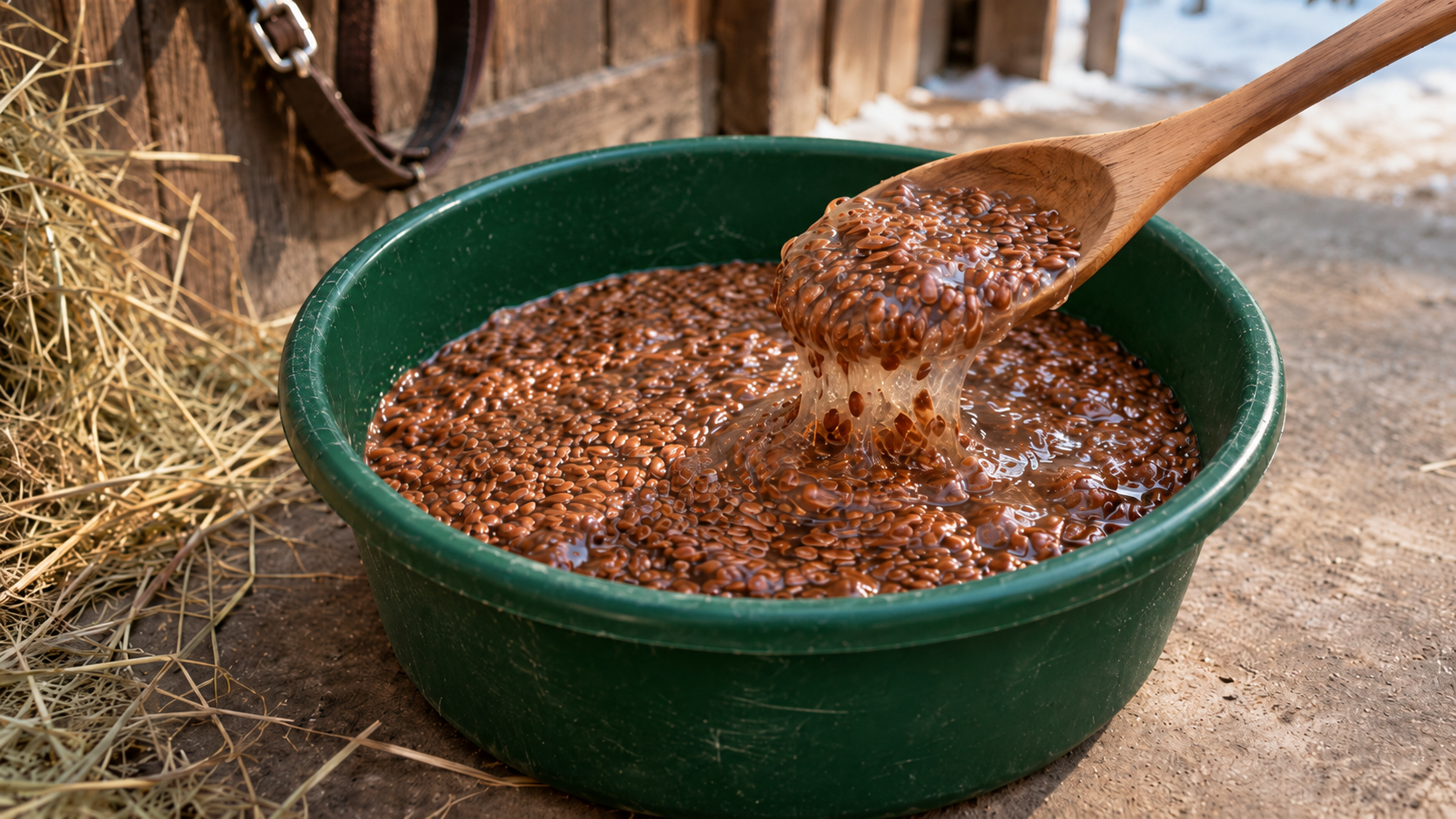
Flaxseed is a rich source of fat, particularly omega-3 fatty acids. Fat is an easily digestible source of energy for horses that does not rely on starch. This is especially valuable in winter, when grass is not available as a source of energy.
In addition, there are mucilage compounds. When soaked or cooked, they swell into a soft gel that can form a film over the mucous membrane. The dietary fiber binds water and keeps the digestive contents moving. In this way, flaxseeds support the natural passage of food through the intestines.
However, these same mucilages also have a downside. They absorb a lot of water. If your horse already drinks less when the water is cold, the feed mash can become rather thick. In addition, mucilages can slow down the absorption of other nutrients from the feed. Raw, unsoaked flaxseed is not suitable; ground flaxseed goes rancid quickly; and for horses with a sensitive stomach, you should keep an eye on the amount you feed.
-
 2
Mash: It's often easy on the stomach, but you shouldn't feed it every day
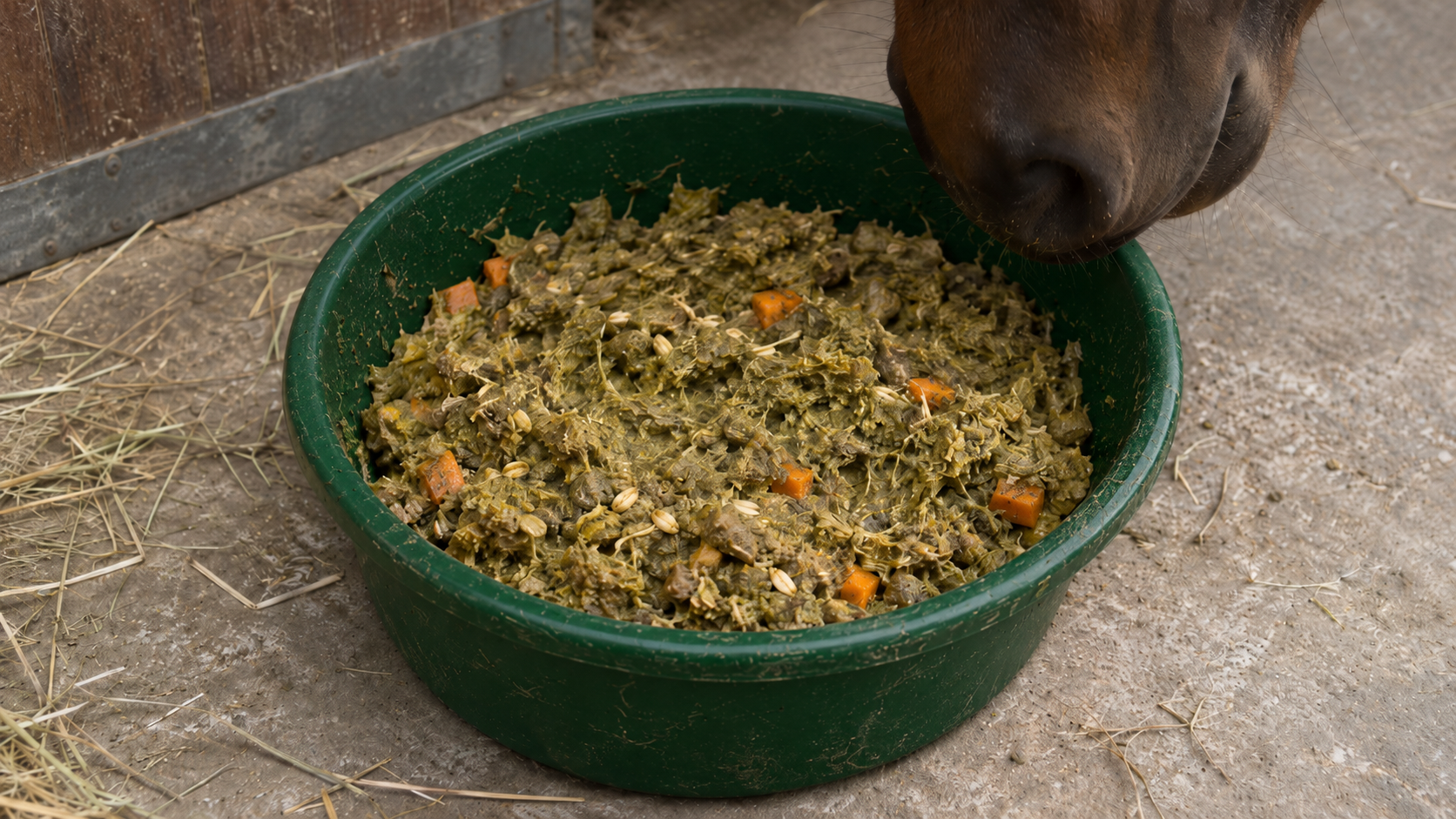
Warm, moist, and adored by almost every horse. A mash adds extra fluid to the ration when the water is cold, and for many, it’s a staple of the weekend at the stable.
Usually, though, mash is fed once a week—and when it is, it’s a whole bucketful. If mash is fed suddenly or in large quantities, it can lead to loose stools, bloating, or an imbalance in the gut flora. That’s because the gut flora prefers consistency, and every large portion is like a small change in diet for it.
In addition, not every mash is easy on the stomach. Many ready-made mixes contain a lot of grain. Grain-rich recipes may not be suitable for horses with sensitive stomachs. A high starch content is particularly important in this regard.
And then there's the week in between. Breaks from eating, cold water, and little exercise are part of the routine from Monday through Friday—not just on Saturday.
-
 3
Herbal tea: time-tested herbs, but it remains uncertain whether enough of them are actually absorbed
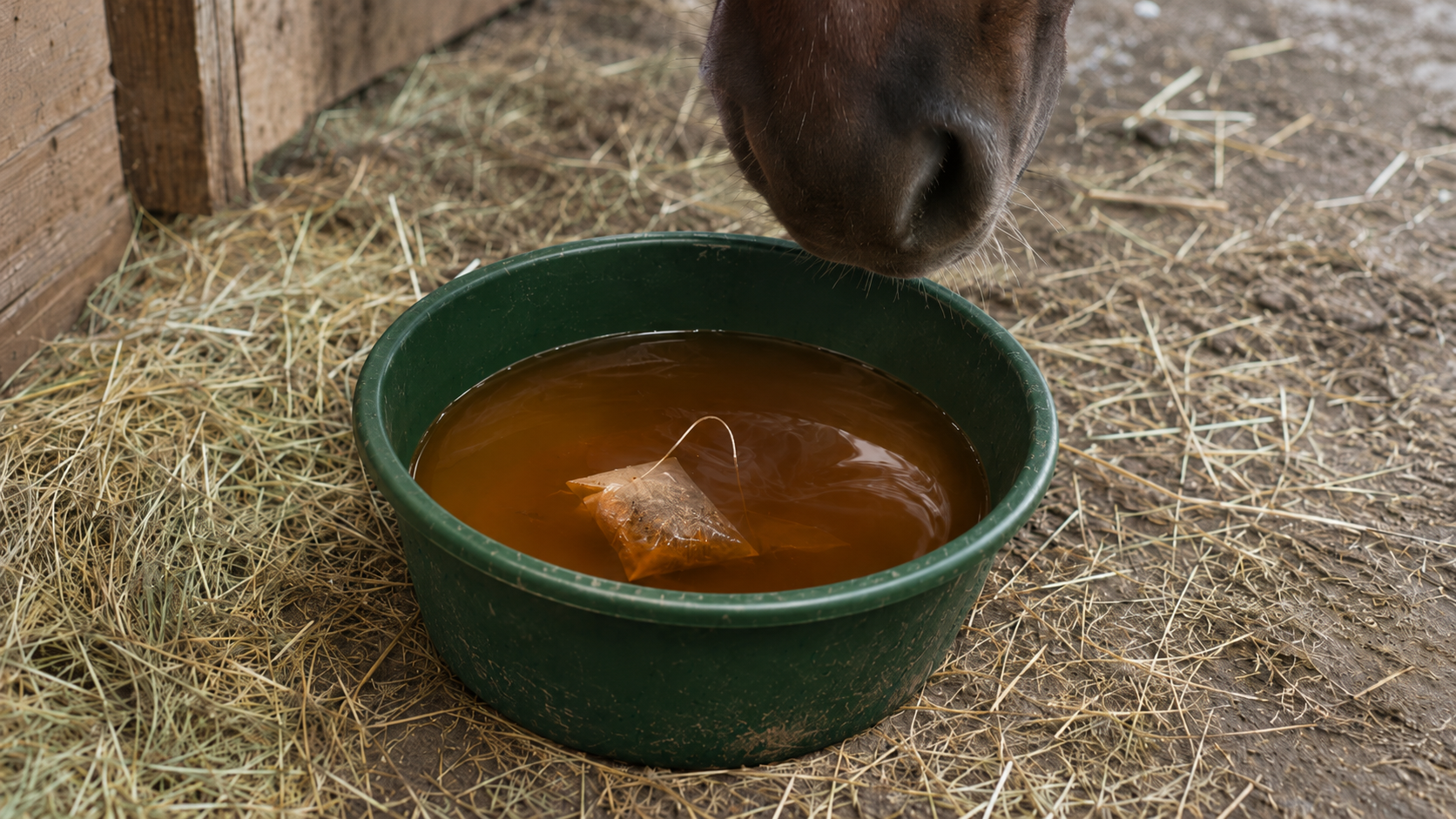
Chamomile, fennel, anise, and lemon balm have long been used traditionally in animal feeding to support stomach and intestinal health. When poured lukewarm over feed or mixed into water, tea also provides additional fluids in the winter.
When it comes to herbal tea, however, no one knows exactly how much of the herbs actually reaches your horse. How much is released from the herbs depends on the water temperature, the steeping time, and the quality of the herbs. Some of the essential oils evaporate with the steam. As a result, every cup of tea is slightly different in strength, from day to day and from pot to pot. It’s impossible to say whether your horse is getting enough of it on any given day.
And even the best tea is useless if it just sits in the bucket. Some horses simply leave it untouched, while others drink only part of it. Then there’s the effort involved: brewing it every day, letting it cool, carrying it to the stable—and in freezing weather, making sure to do it in time.
-
 4
Fresh food: a good choice, but you should take a closer look here
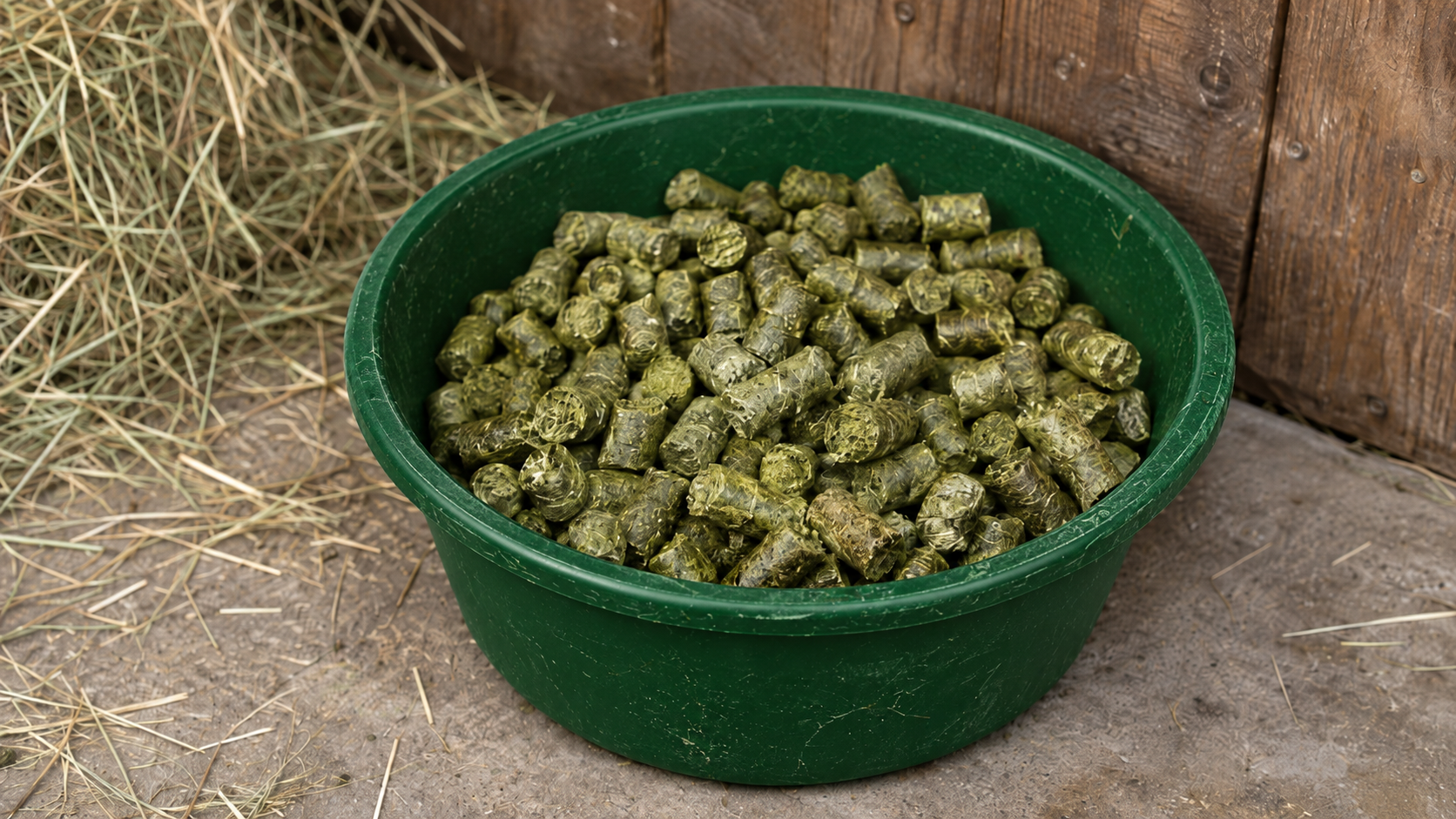
Hay cobs, beet pulp, and alfalfa cobs are rich in crude fiber. Fiber is the most important nutrient for the gut flora in the large intestine and helps maintain regular bowel movements. If the hay or haylage is of poor quality, water-soluble feed can make up for this deficiency.
However, caution is especially important during the transition. Switching too quickly or feeding too large an amount can lead to gas or loose stools. So if you start feeding your pet a hydrating diet overnight in the winter, you may end up with the opposite of what you intended.
The second risk lies in the preparation. Products that haven’t been soaked long enough can increase the risk of throat blockage, depending on the feed. In freezing weather, soaking takes longer, and those in a hurry in the morning may cut the soaking time short. In addition, beet pulp is often molassed and therefore contains sugar.
-
 5
Ready-made digestive supplements: conveniently combined, but it’s worth taking a look at the ingredients
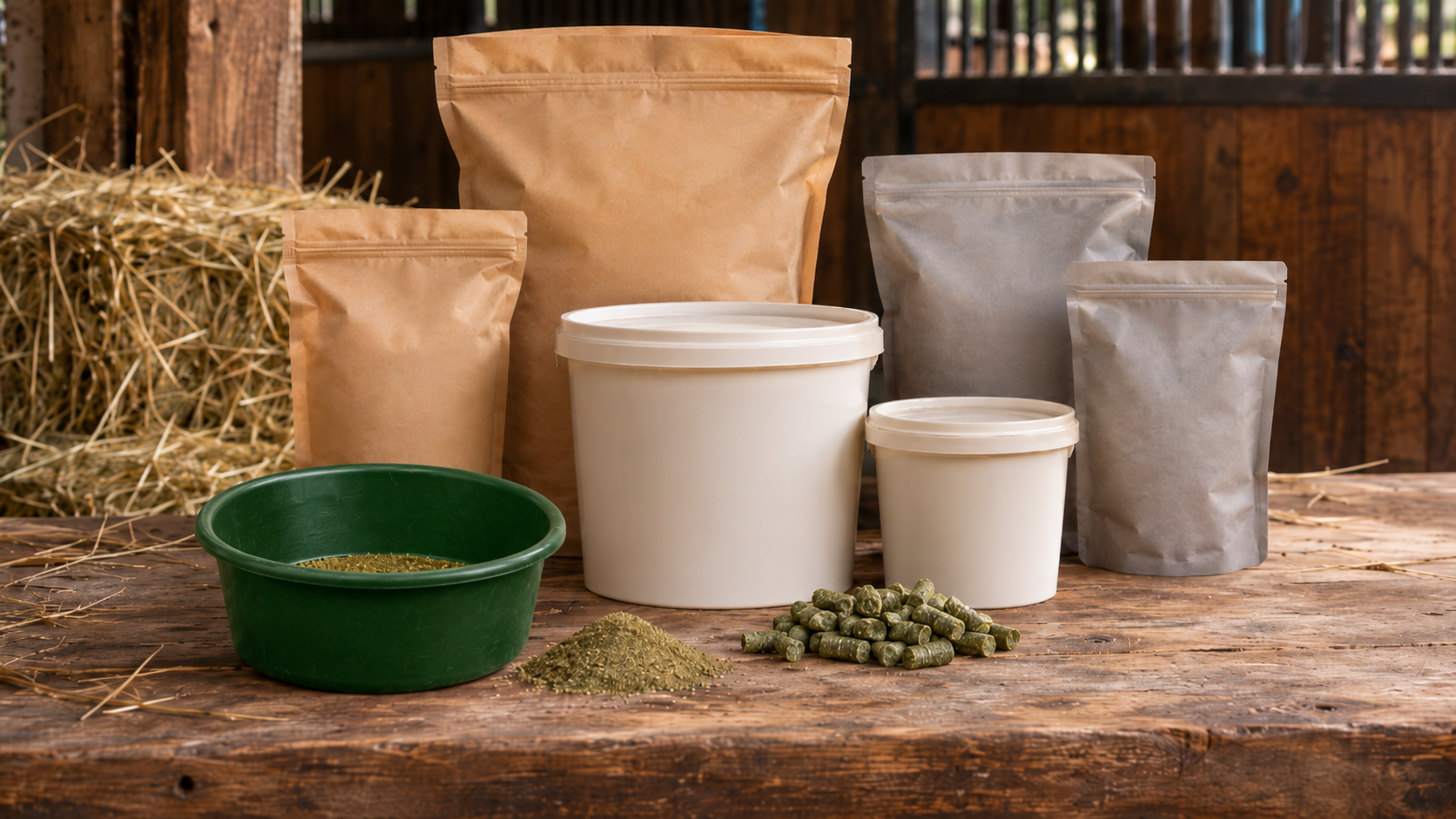
Many ready-made digestive supplements already combine ingredients that you would otherwise have to gather separately: flaxseed, herbs, prebiotics, and more. The best part is that the ingredients are balanced and complement each other, so you don't have to mix anything yourself.
The catch is often in the ingredient list. Many of these supplements contain grains, molasses, or sugar. Starch that isn’t fully digested in the small intestine reaches the large intestine, where it is fermented by bacteria. This leads to increased gas production, and the horse appears bloated—exactly what you were trying to avoid.
However, there are also supplements that deliberately avoid added sugar and grains and contain only select ingredients: herbs traditionally used for the stomach and intestines, and prebiotics that can help reduce gas formation. Designed for horses during sensitive feeding phases, such as the transition to winter feeding.
Products like these are often on sale during the winter. We've included a link below this post to a combination that avoids the drawbacks mentioned and is already trusted by many horse owners.
Why It's So Hard to Find the Right Diet for Your Horse's Stomach and Intestines
Flaxseed, mash, herbal tea, or soaked feed: Everything has its advantages, but also its limitations. And even with ready-made supplements, it’s worth taking a close look at the ingredient list. So it’s no wonder that at some point, you’re no longer sure what to feed your horse.
And there’s also a huge selection of dietary supplements that can help. That’s because many products focus on specific areas of digestion—either the stomach or the intestines. Especially in winter, when feeding and housing conditions change, it makes sense to support both areas at the same time.
That’s why our recommendation starts right there. Alpurial’s Premium Digestion Bundle combines two complementary bottles: Tummy Fit and Gut Fit. Both were developed by veterinarians and are designed to holistically support the horse’s digestive system. We’ve deliberately No Added Sugar and grains, opting instead for selected, carefully formulated ingredients.
It's a simple way to holistically support your horse's digestive system during the cold season, so you don't have to worry about it in your day-to-day life.


Premium Digestion Bundle
What's Included in the Premium Digestion Bundle
In winter, almost everything changes for your horse all at once: hay instead of grass, more concentrated feed, cold water, less exercise, and breaks between meals. This affects the stomach and intestines at the same time. If you only address one aspect, you’re leaving half the chain unaddressed. That’s why the bundle consists of two bottles that are designed to work together.
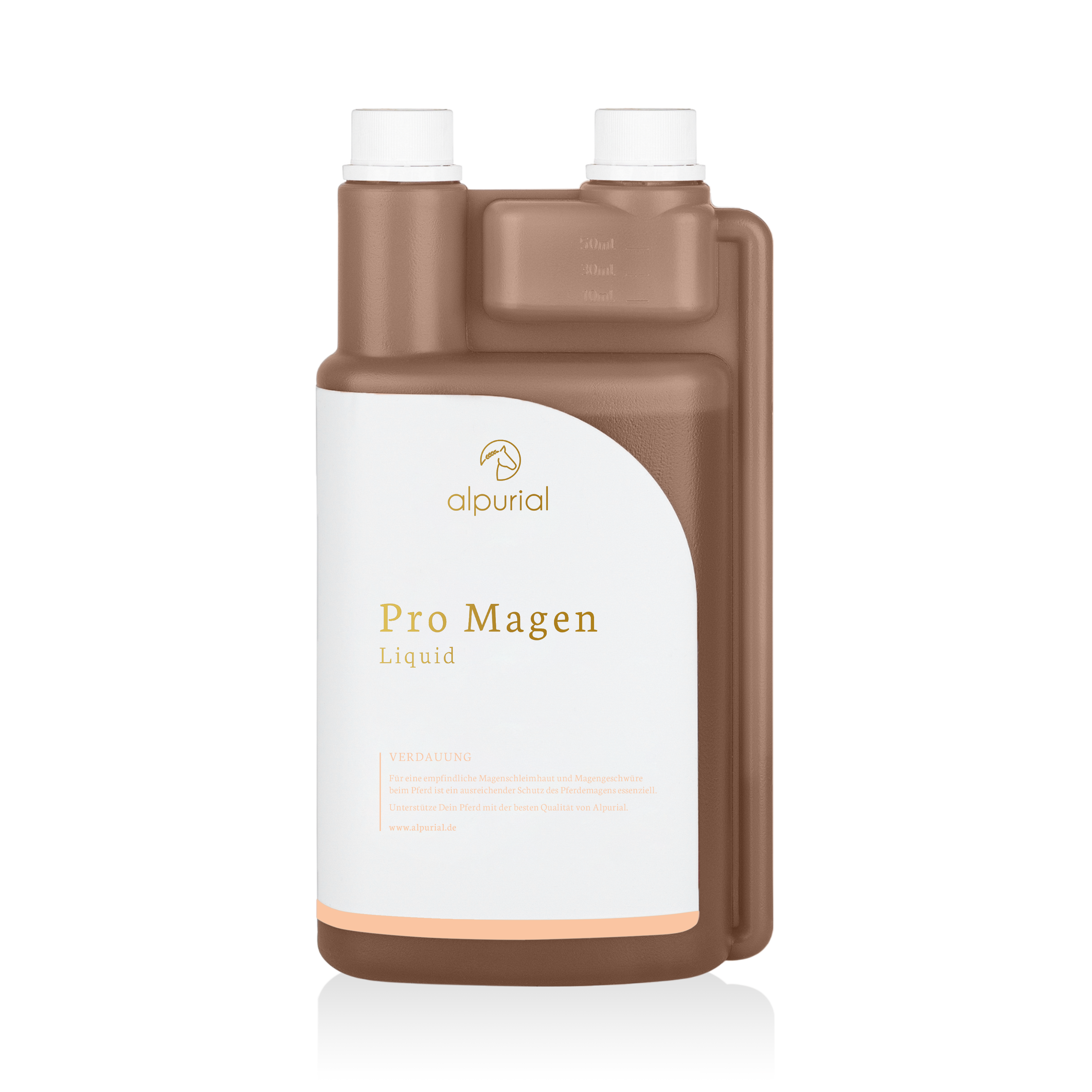
Tummy Fit
Contains chamomile flowers, marshmallow, lemon balm, hops, licorice root, and passionflower herb. Herbs that are traditionally valued in animal nutrition for their beneficial effects on the stomach.
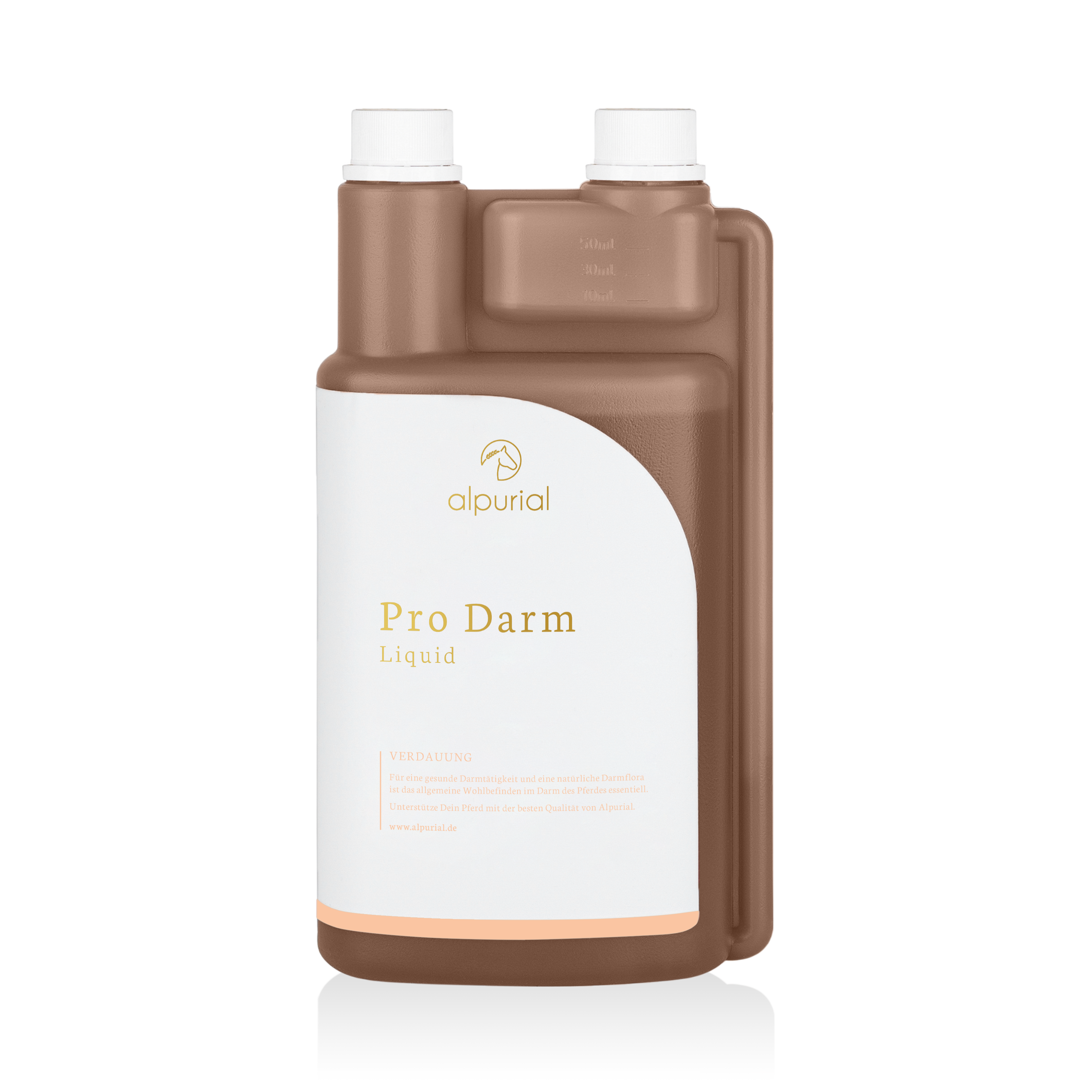
Gut Fit
Contains prebiotics from chicory and whey permeate, along with fennel, anise, artichoke, milk thistle, chamomile, and licorice, as well as fennel and anise essential oils. Prebiotics can help reduce gas, and the herbs are traditionally used to support gut health.
Here's how Tummy Fit and Gut Fit are linked
Tummy Fit Starts at the beginning of the digestive tract, with Gut Fit continuing further along the tract. Together, they are tailored to the entire digestive tract and support the stomach and intestines throughout the entire process—every day, not just on Mash Day.
Both bottles are deliberately formul No Added Sugar -free and grain-free. This ensures that the food contains only what is intended for digestion, and no additional starch that can cause gas in the large intestine. Both were developed by veterinarians.
How to Use
- Large Horses Adults receive 30 ml once a day of Tummy Fit and Gut Fit; ponies and small horses receive 20 ml each.
- Simply shake the bottle and sprinkle the contents evenly over your pet's regular food.
- At 30 ml per day, one bottle lasts 33 days.
- It's best to feed them consistently throughout the winter months, at least one bottle.
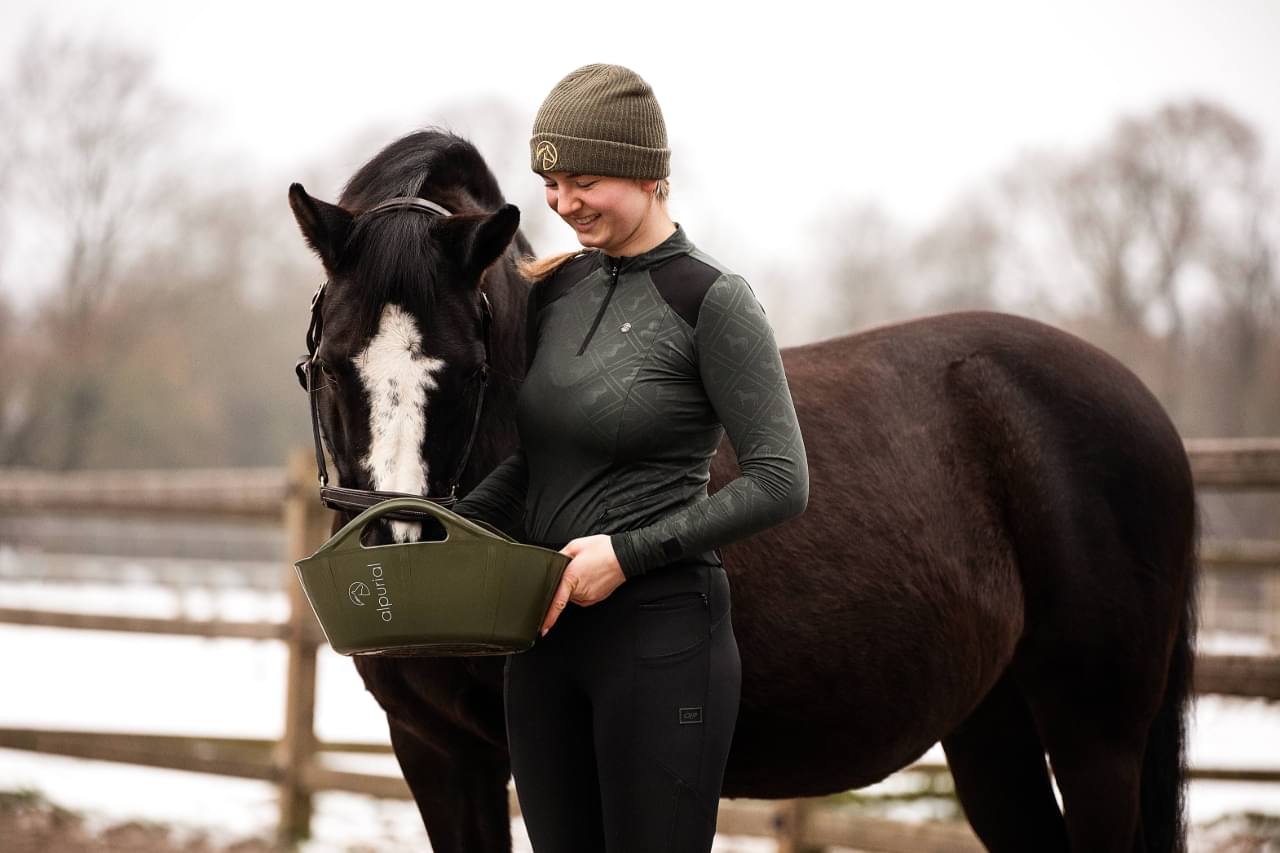
What the Free Flexi Bowl Has to Do with a Horse's Digestion
The bundle comes with a free 17-liter Flexi trough. Your horse can eat from the ground out of it, which is the most natural posture for a horse. Out in the pasture, it eats all day with its head lowered; its body is designed exactly for that.
In this stance, your horse chews calmly and thoroughly, producing plenty of saliva. The food passes through the esophagus in its natural position. This way, digestion begins right as your horse eats, just as nature intended. This is good for digestion, especially in winter when pasture is scarce.
The Premium Digestion Bundle with free Flexi is available only during the winter months.
A holistic approach to stomach and intestinal health, No Added Sugar , and grains
Two specially formulated bottles for the entire digestive tract, added to the feed daily throughout the winter.
Get " Digestion Bundle " now


